


In the 1980 movie classic, “The Mountain Men”, the character Henry Frapp is questioned by a young greenhorn: “Haven’t you ever been lost?” Frapp scratches his whiskers and after a recollecting pause, replies, “A fearsome confused for a month or two… but I ain’t ever been lost!”
For the fur trappers, wandering through a vast and unexplored country, “lost” would have been something of an oxymoron. Not knowing where you were was a necessary part of the mountain man business. The blank space on the map was as much “home” as it was wilderness, and “lost” was more a state of mind than a physical dilemma.
When the mountain men plunged head-long into the unknown, they knew that where they were going there would be no restaurants or hotels. So they planned accordingly. They learned quickly where to find food and how to get it; how to mend equipment, to make new or make do; they could sleep in a log, a cave, or just plain under the stars–and survive! How did they accomplish this incredible feat? Simply, they were prepared–mentally and physically.
Today, the same principles apply. When you head out into the woods, be prepared: for cold, rain or snow; to tend an injury; or to stay the night in the woods. It’s not as difficult as it sounds. Here are a few nuggets of Mountain Man wisdom to help you survive:
Staying Found


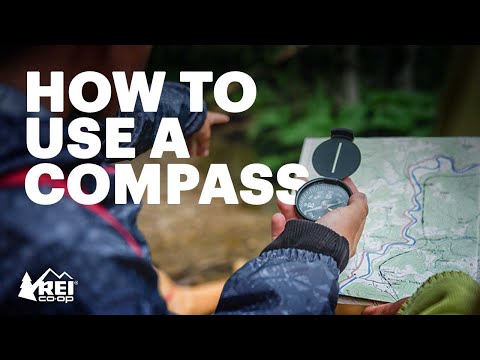
The old-timers relied on “Dead Reckoning” for navigation: utilizing a compass to guide them in the general direction they wished to go. Sometimes in the absence of a compass, they relied only on “reckoning”: as in “I reckon camp is back that way.” The contemporary woodsman may have the handiness of a GPS, but owning one of these high-tech gizmos is not an adequate substitute for map and compass skills. Just as with other conveniences (cell phones, cameras, flashlights), the batteries will invariably go dead just when you need them the most.
Learning how to read a map is not that difficult; up is north, left is west, and so on. The closer the lines are together the steeper the country. Water is shown as blue, while man-made objects are black. It is simply a two-dimensional rendition of a three-dimensional world. Using a map and a compass to show you which way is north, you’d be hard-pressed to get seriously lost. Sure, some practice is required, but that’s all part of the preparedness thing.
Paying attention to where you’re going can also be a big help to staying found. As you pursue your quarry, notice which way the shadows are falling. Have you been mostly climbing, or descending? Look for landmarks as you go. Not stumps and rocks, but BIG landmarks that give your relative position to the valley below, or that craggy peak to the west. Turn around and look behind you, what would it look like if you were going that way – back to camp or the truck?
The Essentials


Unless your trip is taking you across the Gobi or the Brooks Range, you probably don’t need to carry 50 feet of copper wire or spare fishing line and hooks. The largest wilderness area in Colorado can be traversed in a day or two. So what are the essential essentials you need when you’re on your own hook?
- Water. Without it, you’re dead in three days. Without it for a few hours, at 9,000 feet above sea level, you’re not dead, but you may wish you were. Dehydration can lead to altitude sickness and hypothermia. But even worse, it can impair your judgment, induce panic, and result in a fatal case of Lost.
- Fire good… Fire friend… Fire number two in importance. Learn how to build one, WITHOUT toilet paper and gasoline. It’s as easy as one two three: One, you need dry tender. Scratch around under grass tussocks for the driest stuff. Get lots of it, about a volley ball sized bunch; two, kindling. You want about twice as much as the tender you gathered.
- Kindling is small stuff – matchstick sized. Three is the fuel itself. Gather up plenty if it looks like you may have to spend the night. Pick dry branches one to two inches in diameter–these burn without difficulty and make it easy to control the heat. Of course we can’t overlook the match. You don’t need to be proficient with a flint and steel, but you should have at least a couple of ways to start fire; it doesn’t matter if it’s a lighter or a fire plow, as long as you can get it lit.
- Shelter. Now don’t jump right into bivy sacks and backpacking tents. Let’s take a step back and start at the beginning. Shelter starts with your clothing. Dress for the worst. And in a Colorado autumn, the worst can be pretty harsh. Pick synthetics – like fleece or polyester blends – but wool is best. Dress in layers: long handle union suit, light mid layer(s), and warmer outer layer. Dressing appropriately when you leave camp will find you well on your way to surviving a night in the outback even without a buffalo robe.
Make and Share a Plan
Make a plan and let someone know what it is. Leave a map open on the dashboard of the truck. You don’t have to give up your secret spot with an “I AM HERE” arrow, just circle a square mile or two. When you leave camp, a plain old “I’m gonna work this ridge out and come back down the crick” is enough to give your buddies a place to start looking for you if you should become “a fearsome confused.” The important thing is to stick to your plan.
As you head into the high country this fall, see yourself as one of the Lewis & Clark Expedition; be prepared, both mentally and physically for the challenges of the unknown. Keep your powder dry and your eyes on the horizon and you’ll know that “lost” is, by and large, just a state of mind.
Written by Chris Parmeter. Chris is a District Wildlife Manager Colorado Parks and Wildlife.